High-Performance Aluminum Castings: Practical Applications and Advantages
High-strength aluminum castings are increasingly recognized for their diverse applications and significant advantages across multiple industries. Their light weight and corrosion resistance make them especially valuable in industries such as automotive and aerospace. Yet, the advantages extend past performance alone. As developments in alloy compositions and casting processes progress, the possibility for these materials to revolutionize engineering solutions increases. This raises questions about how these developments will affect upcoming applications and industry benchmarks.
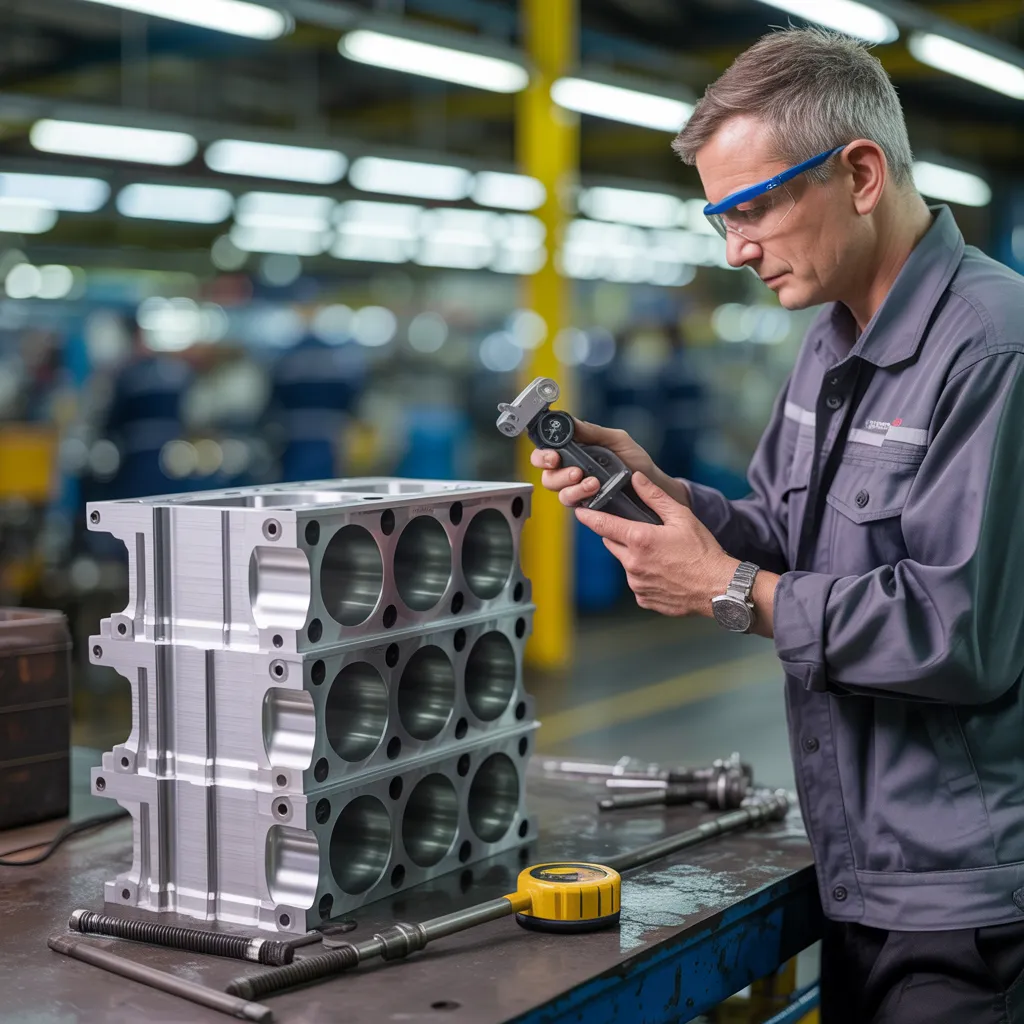
Essential Advantages of High-Strength Aluminum Castings in Multiple Industries
Superior aluminum castings offer many benefits across multiple industries, increasing performance and efficiency. One important benefit is their lightweight nature, which lowers overall product weight without compromising strength. This attribute is critically vital in fields such as aerospace and automotive, where american aluminum castings weight reduction results in better fuel efficiency and operational performance.
Moreover, high-strength aluminum castings demonstrate outstanding corrosion resistance, making them ideal for applications in demanding environments. This durability extends the lifespan of components, lowering maintenance costs and downtime.
Moreover, the adaptability in design allows for complex geometries that can produce innovative product designs, enhancing functionality and creativity.
High-grade aluminum castings also deliver exceptional thermal conductivity, which is beneficial in applications needing efficient heat dissipation. These integrated attributes place high-strength aluminum castings as a favored choice for manufacturers aiming to realize high performance and longevity in their products.
Industry Applications of High-Strength Aluminum Castings
The lightweight yet durable properties of aluminum castings make them extremely desirable in multiple applications across numerous industries. In the automotive sector, heavy-duty aluminum castings are implemented for engine blocks, transmission housings, and structural components, supporting fuel efficiency and performance. Aerospace manufacturers use these castings for aircraft components, offering the necessary strength while reducing overall weight, which improving fuel economy and payload capacity.
Moreover, the construction industry employs high-strength aluminum castings for architectural elements and structural supports, delivering durability and aesthetic appeal. In the marine sector, these castings are essential for boat hulls and engine parts, guaranteeing resistance to corrosion and weight savings. Furthermore, consumer electronics manufacturers use aluminum castings for enclosures and frames, merging strength and lightweight properties to enhance product design. Overall, the versatility of high-strength aluminum castings facilitates innovation across diverse fields, driving progress in design and functionality.
Primary Industries Employing High-Strength Aluminum Castings
As industrial fields strive to boost performance and minimize weight, high-strength aluminum castings have emerged as an essential material in numerous sectors. The automotive industry is a major contributor, employing these castings for engine components, structural parts, and chassis to improve fuel efficiency and reduce emissions. Additionally, aerospace manufacturers are increasingly adopting high-strength aluminum castings for aircraft components, leveraging their strength-to-weight ratio, which supports overall aircraft performance and safety.
The marine sector also leverages these castings for durable yet lightweight components, improving vessel performance and velocity. In the industrial machinery field, manufacturers use high-strength aluminum castings for components that require high durability while keeping a light profile. Lastly, the electronics industry employs these castings for housing and structural elements, combining aesthetics with functionality. Overall, high-strength aluminum castings are reshaping numerous industries by offering innovative solutions that satisfy modern demands for optimal performance.
Optimizing Performance Using High-Strength Aluminum Castings
Heavy-duty aluminum castings present notable advantages in performance enhancement across numerous applications. Their weight reduction capabilities enable improved efficiency, while advanced durability features guarantee longevity and reliability. In addition, the design flexibility they provide allows for innovative solutions adapted to specific industry needs.
Weight Loss Benefits
As numerous sectors look for methods to improve performance, mass reduction through high-strength aluminum castings proves to be an essential tactic. The lightweight nature of aluminum allows for significant reductions in component weight without sacrificing structural soundness. This minimization supports superior fuel efficiency in automotive and aerospace applications, leading to lower operational costs and reduced emissions. In addition, lightweight elements facilitate rapid acceleration and better agility, which are critical factors in competitive sectors. What's more, the design freedom delivered by aluminum castings accommodates elaborate geometries that additionally enhance weight efficiency while maintaining performance. Consequently, firms adopting high-strength aluminum castings can secure notable advantages in functionality, effectiveness, and complete market competitiveness, rendering it an ideal selection in current manufacturing.
Superior Strength Features
While many materials offer strength, high-strength aluminum castings provide remarkable durability that improves the performance of diverse applications. These castings display excellent resistance to wear, corrosion, and impact, making them optimal for demanding environments. The intrinsic properties of aluminum, merged with advanced casting techniques, produce components that sustain structural integrity under extreme conditions. This durability not only increases the lifespan of products but also lowers maintenance costs, supporting overall efficiency. Industries such as automotive, aerospace, and industrial machinery benefit considerably from these characteristics, as they require materials that can withstand demanding operational needs. Eventually, the improved durability of high-strength aluminum castings places them as a reliable choice for high-performance applications across numerous sectors.
Design Versatility Options
The adaptable nature of aluminum castings permits for remarkable design flexibility, enabling engineers and designers to develop complex geometries that fulfill specific performance requirements. This adaptability supports the integration of features such as complex internal cooling channels or lightweight lattice structures, enhancing functionality without compromising strength. High-strength aluminum castings also support rapid prototyping, permitting for iterative design processes that boost innovation. The material's excellent machinability further allows post-casting modifications, such as machining or surface treatments, to achieve desired finishes and tolerances. Finally, this design flexibility contributes to improved performance in various applications, from aerospace components to automotive parts, making certain that products are not only efficient but also adapted to address the evolving demands of modern engineering challenges.
Progressive Solutions Accelerating Performance in Aluminum Castings
A variety of innovations are redefining the landscape of aluminum castings, considerably enhancing their performance and applications across numerous industries. Advanced alloy compositions, such as the introduction of lithium and magnesium, are boosting strength-to-weight ratios, making castings lighter yet stronger. In parallel, the adoption of sophisticated casting techniques, including 3D printing and vacuum casting, makes possible intricate designs and reduced waste, enhancing production efficiency.
In addition, advancements in heat treatment processes are enabling manufacturers to achieve superior mechanical properties, enhancing the durability of aluminum castings under extreme conditions. The adoption of smart manufacturing technologies, including real-time monitoring and artificial intelligence, additionally enhances quality control, maintaining consistency and precision throughout the casting process. These innovations combined enable a broad range of applications, from automotive components to aerospace structures, demonstrating the rising demand for high-performance materials in an continually competitive marketplace.
Industrial-Grade Aluminum Castings versus Alternative Materials
In what ways do high-strength aluminum castings compare to traditional materials like steel and plastic in terms of performance and application? High-strength aluminum castings offer a remarkable blend of advantages that position them as a competitive alternative. They are considerably lighter than steel, which can result in better fuel efficiency in automotive and aerospace applications. While steel excels in tensile strength, aluminum castings offer appropriate strength with the merit of lower weight, making them well-suited for various structural applications.
By comparison, plastic materials, while frequently lighter and resistant to corrosion, don't have the thermal and mechanical properties essential for high-stress environments. Aluminum castings also show superior thermal conductivity than both steel and plastic, improving their performance in applications needing heat dissipation. Overall, high-strength aluminum castings span the gap between the robustness of steel and the versatility of plastics, making them an increasingly popular choice in diverse industries.
What's Next for Aluminum Casting Tech Solutions?
What future progress can we expect in aluminum casting technologies? Industry experts anticipate substantial breakthroughs powered by automation, superior materials, and refined methods. One hopeful domain includes the implementation of artificial intelligence in the production and design workflows, facilitating more streamlined mold design and defect detection. Moreover, progress in 3D printing technology are likely to transform the creation of complex geometries, lowering material waste and lead times.
Furthermore, researchers are investigating new aluminum alloys that provide exceptional strength-to-weight ratios and corrosion resistance, expanding potential applications in aerospace and automotive sectors. The development of sustainable practices, such as recycling aluminum scrap and minimizing energy consumption during casting, is also becoming increasingly important. These advancements will not only boost the performance of aluminum castings but also contribute to environmentally responsible manufacturing. As these technologies develop, they promise to redefine the landscape of aluminum casting, making it more productive and adaptable than ever before.
Frequently Asked Questions
How Is High-Strength Aluminum Casting Manufactured?
Superior aluminum castings are produced through techniques like sand casting, die casting, or investment casting. These techniques involve melting aluminum alloys, dispensing them into molds, and allowing them to solidify, yielding durable and lightweight components.
What Is the Environmental Impact of Aluminum Casting Processes?
The ecological effects of aluminum casting operations encompass energy consumption, greenhouse gas emissions, and waste generation. Proper management and recycling efforts can mitigate these effects, fostering sustainability within aluminum production and reducing its ecological footprint.
Can High-Strength Aluminum Castings Be Recycled?
Indeed, high-strength aluminum castings can be recycled. The recyclable nature contributes to environmental sustainability, allowing manufacturers to reclaim and reuse materials, lowering both waste and energy consumption while supporting a circular economy within the aluminum manufacturing sector.
How Do Production Costs Stack Up Against Alternative Materials?
Production expenses for high-strength aluminum castings are generally higher than common materials like steel but lower than titanium. Their lightweight features and corrosion resistance can balance out initial expenses through minimized operational costs in specific applications.
What Is the Typical Lifespan of High-Strength Aluminum Castings?
The typical lifespan of high-strength aluminum castings varies between 10 to 20 years, depending on environmental factors and maintenance. Their robust nature and resistance to corrosion contribute considerably to their longevity in numerous applications.