Expert Machining & Machine Shop Solutions for Custom Industrial Parts
Expert machining and machine shop solutions play a crucial role in the fabrication of custom industrial parts. These services support various industries, ensuring accuracy and excellence in every part. Expert machinists employ advanced methods to meet specific project needs. Understanding the details of these processes can substantially influence product deliverables. As industries progress, so too do the technologies that drive these solutions. What does this mean for future manufacturing practices?
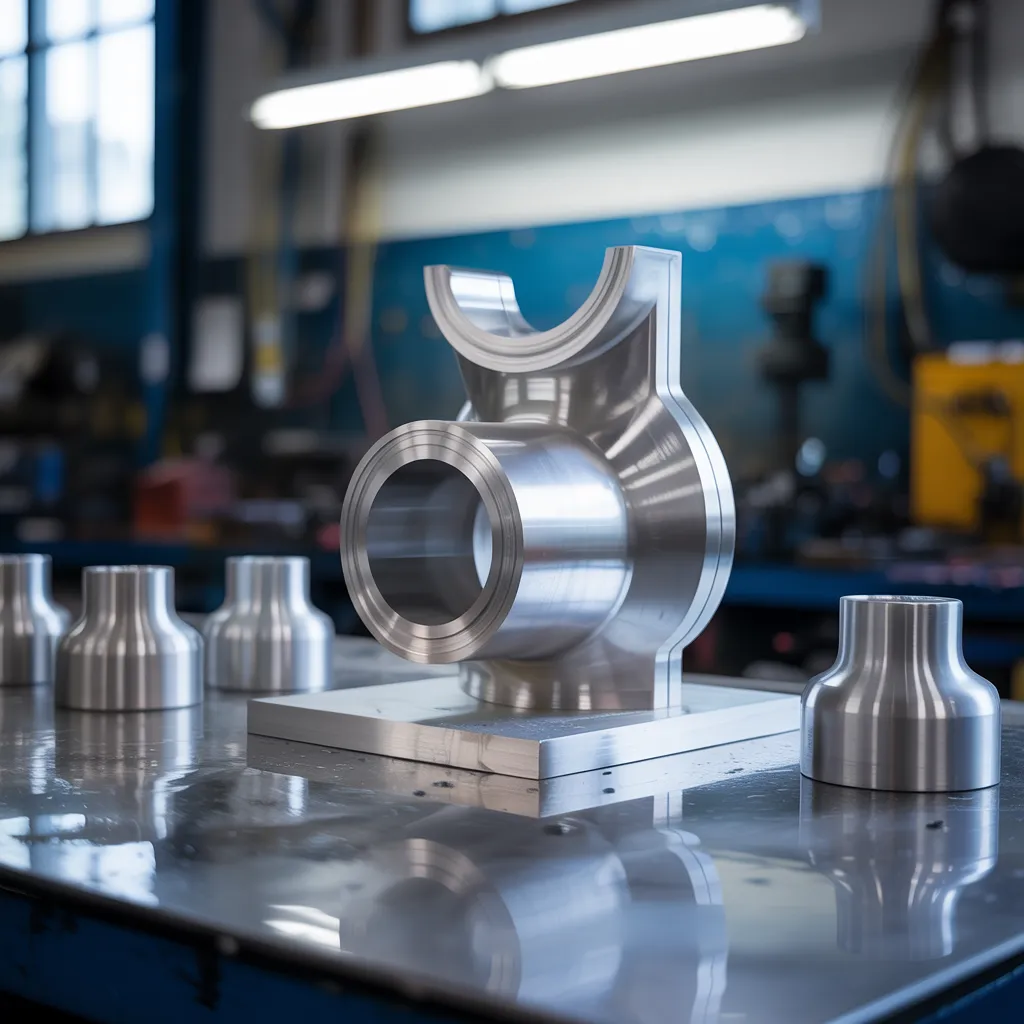
Leading Advantages of Custom Machined Parts Across Industries
Although mass-produced components have their place, custom machined parts deliver clear advantages that can significantly enhance numerous industries. One of the key benefits is precision; custom machining permits exact specifications customized for specific applications, guaranteeing superior performance. This level of accuracy minimizes the likelihood of errors and reduces the need for adjustments during assembly.
Moreover, custom machined parts enable greater material versatility, permitting engineers to opt for suitable materials according to the environmental conditions and performance requirements. This adaptability can significantly boost the longevity and durability of components.
Furthermore, custom solutions can stimulate innovation, as distinctive designs can result in enhanced functionality and efficiency. In sectors such as aerospace, automotive, and medical, where performance is essential, these benefits become imperative. In the end, the ability to develop specialized parts enhances increased productivity and competitiveness in various industries.
What Is Professional Machining and Machine Shop Capabilities?
Professional machining and machine shop services offer a comprehensive array of services designed to satisfy the needs of various industries. These offerings comprise a variety of processes, including high-precision machining, CNC machining, milling, turning, and grinding, facilitating the creation of complex and highly detailed components. Expert machinists employ state-of-the-art technology and equipment to guarantee precision and productivity in fabricating custom parts.
Additionally, expert machining services typically include design consultation, prototyping, and quality assurance, making certain that the final products meet stringent specifications and industry standards. With capabilities to work with a broad range of materials, from metals to plastics, these machine shop solutions cater to sectors such as aerospace, automotive, medical, and energy. By leveraging skill in machining techniques and industry expertise, these service providers help organizations accomplish their production goals while maintaining excellent outcomes.
Choosing the Right Machining Partner: Key Considerations to Consider
When choosing the ideal machining partner, what critical factors should be factored in? Initially, the partner's experience and expertise in the pertinent industry must be reviewed. This includes reviewing their expertise in specific materials and processes associated with the project. Additionally, the machining capabilities should match project requirements, such as precision, complexity, and volume.
A further significant aspect is the quality assurance methods in place. A reputable partner will have solid quality control measures to certify that all parts meet industry standards. Customer service and communication are similarly vital, as a collaborative relationship can support more effective project execution.
Lastly, it's important to consider cost-effectiveness, balancing quality alongside budget restrictions. A comprehensive analysis of potential partners using these factors can result in a fruitful collaboration, eventually delivering high-quality custom parts that satisfy or surpass expectations.
How Advanced Technologies Are Reshaping Machining Services
Advancements in technology are significantly transforming machining services, increasing productivity and precision in the production of custom parts. The integration of computer numerical control (CNC) machines facilitates automated and highly precise operations, limiting human error and read guide enhancing output consistency. In addition, the adoption of additive manufacturing technologies facilitates complex geometries to be created with minimal waste, consequently promoting sustainability.
Software developments, like CAD and CAM, enable better design and simulation processes, permitting engineers to conceptualize and test components prior to physical production. Additionally, real-time data analytics and IoT connectivity optimize monitoring and maintenance, causing reduced downtime and improved production schedules.
These advanced technologies not only simplify operations but also enable machine shops to answer more promptly to market needs. As a result, enterprises can offer customized solutions while maintaining competitive pricing and shorter lead times, ultimately changing the landscape of machining services.
Managing the Journey: From Prototype to Large-Scale Manufacturing
Even though converting from prototype to large-scale production can be complicated, a structured process can simplify this journey. At the outset, clear specifications and design documentation are crucial, making certain that all stakeholders understand the project requirements. Subsequently, a detailed evaluation of production capacities, materials, and technology must be conducted to pinpoint the most optimal methods.
Subsequently, a pilot run is typically carried out to examine the manufacturing process, enabling the identification of potential issues before full-scale production starts. During this phase, collaboration between engineers and production teams assists in refine techniques for efficiency and quality assurance.
Upon successful pilot validation, expanding production demands careful planning, encompassing resource allocation and timeline management. Ongoing monitoring and feedback mechanisms will assist in copyright quality and accommodate any unforeseen challenges. By implementing these steps, organizations can efficiently move from prototype stage to full-scale manufacturing, ensuring both efficiency and product integrity.
Frequently Asked Questions
What Materials Can Be Used for Custom Machined Parts?
Various materials can be employed for custom machined parts, including aluminum, steel, titanium, brass, and plastics. The choice depends on factors such as strength, weight, corrosion resistance, and the specific application requirements.
What's the Best Way to Ensure Design Accuracy in My Specifications?
To guarantee design accuracy in specifications, one should use precise measurement tools, create in-depth drawings, engage in rigorous reviews, and collaborate with experienced engineers. Regular feedback and iterative prototyping can also boost overall precision and reliability.
What Is the Typical Turnaround Time for Custom Machining Projects?
Common turnaround time for custom machining projects varies, generally ranging from a couple of days to a number of weeks. Elements influencing this include the complexity of the project, materials availability, and the shop's current workload, influencing overall production timelines.
Is There a Minimum Order Quantity for Custom Machined Parts?
Usually, custom machined parts are subject to minimum order quantities, which can vary according to the intricacy, material, and machining processes involved. These parameters provide productive production and cost-effectiveness for both the manufacturer and the client.
What's the Best Way to Maintain My Custom Machined Parts After Production?
To maintain custom machined parts after production, periodic cleaning, lubrication, and inspection for wear are crucial. Furthermore, storing parts in a controlled environment can prevent corrosion and extend their operational lifespan notably.